
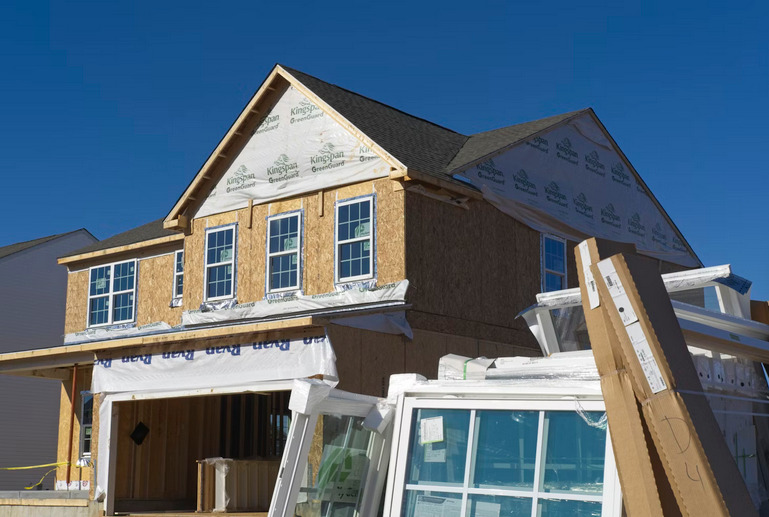
In a world where the structure of our homes is evolving at breakneck speed, the materials we choose to build with are more than just bricks and mortar; they are the very foundation of innovation. Imagine living in a home that not only reflects your style but also prioritizes sustainability, efficiency, and resilience against the elements. From eco-friendly composites to smart textiles that adapt to their environment, today’s cutting-edge materials are revolutionizing how we think about construction.
Join us as we explore the hottest innovations reshaping our living spaces—materials that promise not just to shelter us but to enhance our quality of life for generations to come! Get ready to discover what tomorrow’s homes will be made of—and how these advancements can help you build your dream sanctuary today.
What’s Hot: Sustainable and High-Performance Materials

Cross-Laminated Timber (CLT)
Cross-laminated timber (CLT) is gaining traction as a sustainable alternative to traditional concrete and steel. Made by layering timber in perpendicular directions, CLT panels offer exceptional strength and stability. Due to their prefabricated nature, they are also renewable, sequester carbon, and reduce construction time. CLT is particularly popular in mid-rise and high-rise buildings, proving that wood can be both a modern and eco-friendly construction material.
Hempcrete
Hempcrete, a bio-composite material made from the inner woody core of the hemp plant mixed with a lime-based binder, is another material on the rise. It provides excellent thermal insulation, is lightweight, and highly sustainable. Hempcrete is also carbon-negative, meaning it absorbs more CO2 during its growing cycle than is emitted during its production, making it an attractive option for green building projects.
Aerogel Insulation
Aerogel, often referred to as “frozen smoke,” is an ultra-lightweight material known for its superior insulating properties. Despite being 90% air, it offers better thermal insulation than traditional materials like fiberglass or foam. Aerogel panels are increasingly used in energy-efficient homes to minimize heat loss and reduce energy consumption. Its high cost is a drawback, but ongoing research aims to make it more affordable.
Recycled and Upcycled Materials
The use of recycled and upcycled materials is gaining momentum as builders seek to reduce waste and environmental impact. Recycled steel, glass, and plastic are being repurposed into new construction materials, offering a sustainable alternative to virgin resources. Upcycled materials, such as reclaimed wood and bricks, not only reduce waste but also add unique character and history to new homes.
What’s Not: Traditional and Less Sustainable Materials

Traditional Concrete
Traditional concrete, while still widely used, is facing scrutiny due to its high carbon footprint. The production of cement, a key ingredient in concrete, is responsible for a significant portion of global CO2 emissions. Efforts to develop low-carbon alternatives, such as geopolymer concrete and carbon-capturing concrete, are underway, but traditional concrete is increasingly seen as less sustainable. The Aachener Zeitung website details that for every ton of cement produced, approximately one ton of carbon dioxide is emitted. Additionally, the production process also consumes large amounts of energy and resources.
Conventional Insulation Materials
Materials like fiberglass and foam insulation, though effective, are being overshadowed by more eco-friendly options. These conventional insulations can have environmental and health impacts due to the chemicals used in their production and their potential off-gassing. As a result, builders are turning to natural insulation materials like sheep’s wool, cellulose, and the aforementioned aerogel.
PVC (Polyvinyl Chloride)
PVC, commonly used in pipes, window frames, and flooring, is falling out of favor due to environmental and health concerns. The production and disposal of PVC release toxic chemicals, including dioxins, which can have severe health impacts. Alternatives like high-density polyethylene (HDPE) and bioplastics are being explored as more sustainable options.
The house-building industry is rapidly evolving, with innovative materials reshaping how homes are designed and constructed. Sustainable options like cross-laminated timber, hempcrete, and aerogel insulation are leading the way, offering improved performance and reduced environmental impact. Meanwhile, traditional materials like conventional concrete, fiberglass insulation, and PVC are being re-evaluated in light of their sustainability challenges.