
Electricity costs have become an ongoing concern for homeowners, with seasonal peaks often placing strain on monthly budgets. While many people focus on switching off lights or upgrading appliances, the true driver of high power bills often lies in the structure itself. The way a home is positioned, insulated, sealed, and fitted determines how hard heating and cooling systems must work throughout the year. Thoughtful planning at the design stage can dramatically reduce energy demand without compromising comfort or functionality. By combining smart architecture with informed electrical advice, households can create properties that perform efficiently in all seasons. Below are impactful design choices that can help lower household power bills in a lasting way.
Optimized Home Orientation
The direction your home faces has a measurable impact on energy consumption. Positioning living areas to capture natural sunlight during winter reduces the need for artificial heating. In warmer months, thoughtful shading can limit excessive heat gain. Large north-facing windows (in Australia, for example) allow winter sun to warm interiors naturally, while properly placed eaves block high summer sun. Orientation works best when considered early in the design process. Poor placement can force heating and cooling systems to compensate year-round. Strategic window positioning, shading structures, and landscaping elements all contribute to temperature stability. When sunlight becomes an asset rather than a burden, energy usage declines noticeably.
High-Quality Insulation and Sealing

Insulation acts as a barrier between indoor and outdoor temperatures. Without adequate coverage in roofs, walls, and floors, conditioned air escapes easily. That escape leads to higher electricity consumption and increased strain on HVAC systems. Good insulation reduces heat transfer, keeping interiors cooler in summer and warmer in winter. Air sealing is equally important. Gaps around doors, windows, and service penetrations allow drafts that undermine insulation performance. Reducing unwanted airflow helps maintain consistent indoor temperatures. Homes built with careful sealing techniques often require less mechanical intervention to remain comfortable. Even retrofitting older homes with upgraded insulation and sealing can deliver measurable savings.
Energy-Efficient Windows and Glazing
Windows significantly influence thermal performance. Single-pane glass permits rapid heat transfer, while advanced glazing options offer improved temperature control. Double-glazed or low-emissivity windows reduce unwanted heat gain and heat loss, improving overall efficiency. Window placement also matters. Overuse of glass on western facades can cause overheating in late afternoons. Incorporating shading devices, such as external blinds or pergolas, further limits heat infiltration. While high-performance windows may require a higher upfront investment, long-term savings often justify the cost. Reduced reliance on air conditioning and heating systems translates into consistent financial relief.
Smart Zoning and Layout Planning

A well-planned layout can lower power bills without sacrificing comfort. Zoning allows homeowners to heat or cool specific sections rather than the entire property. Bedrooms, living spaces, and utility areas can be separated with doors or controlled systems to minimize wasted energy. Open-plan designs may look appealing, but they can demand more power if not properly considered. High ceilings and expansive rooms require additional energy to maintain temperature. By contrast, practical room proportions and controlled airflow reduce strain on climate systems. Designing with purpose rather than trend-driven aesthetics can deliver ongoing efficiency benefits.
Integration of Renewable Energy and Efficient Systems
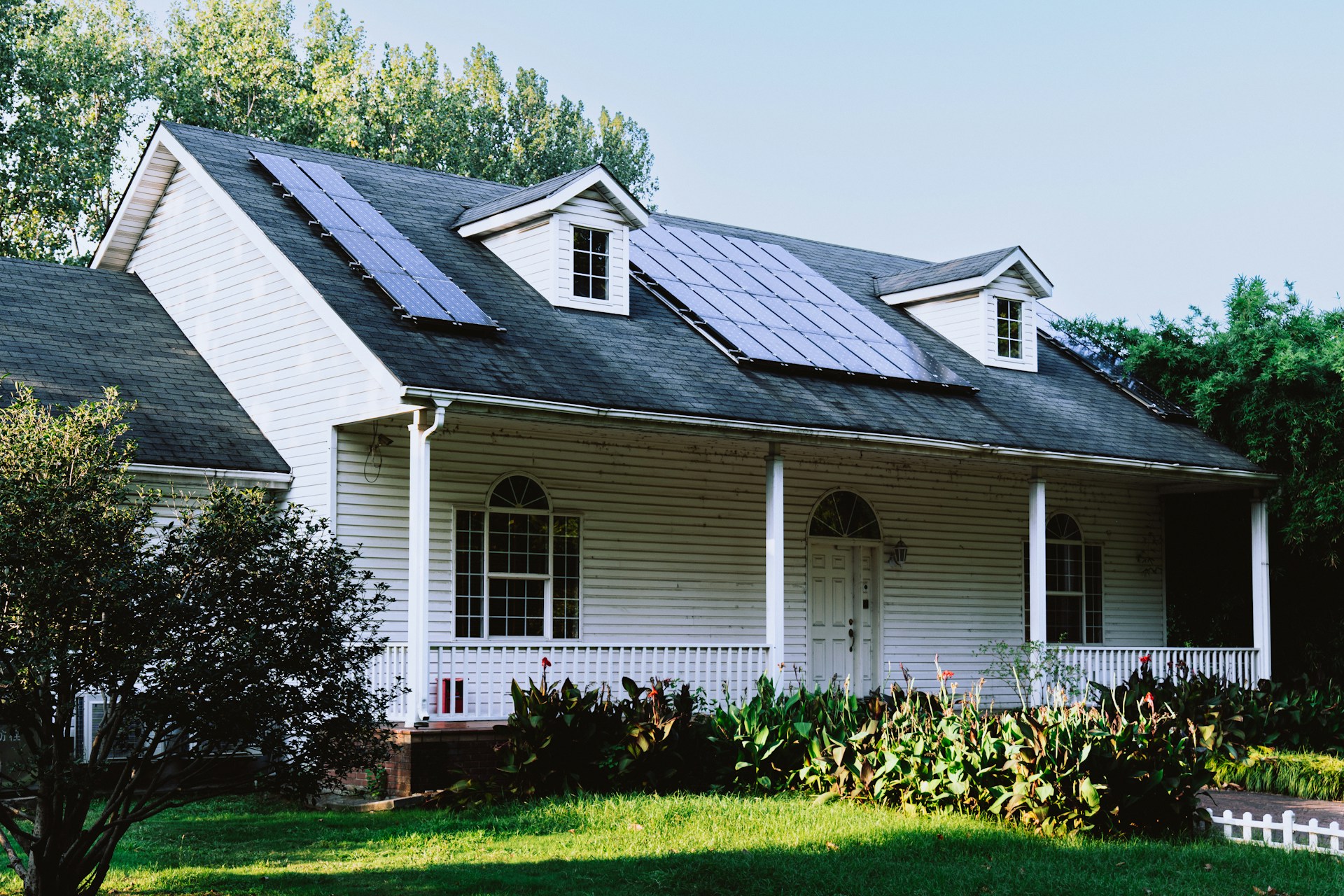
Solar panels and battery storage solutions are increasingly common in modern homes. While installation costs can be significant, renewable systems reduce reliance on grid electricity. Over time, households may experience noticeable reductions in monthly expenses. Beyond solar, selecting energy-efficient appliances and LED lighting further lowers consumption. Heating and cooling systems with high performance ratings operate more effectively and consume less power. Smart thermostats and automation tools allow homeowners to regulate usage patterns, preventing unnecessary waste. Combining structural efficiency with modern technology creates a holistic approach to energy management.
Smart home design plays a central role in controlling electricity expenses. Orientation, insulation, glazing, zoning, and renewable integration all influence how much energy a household consumes. By planning carefully and selecting quality materials, homeowners can reduce ongoing utility costs while improving comfort and property value. Thoughtful design today leads to measurable savings tomorrow, proving that efficient construction is both a financial and practical advantage.