
Choosing Earth-Friendly Building Materials Without Losing Your Style
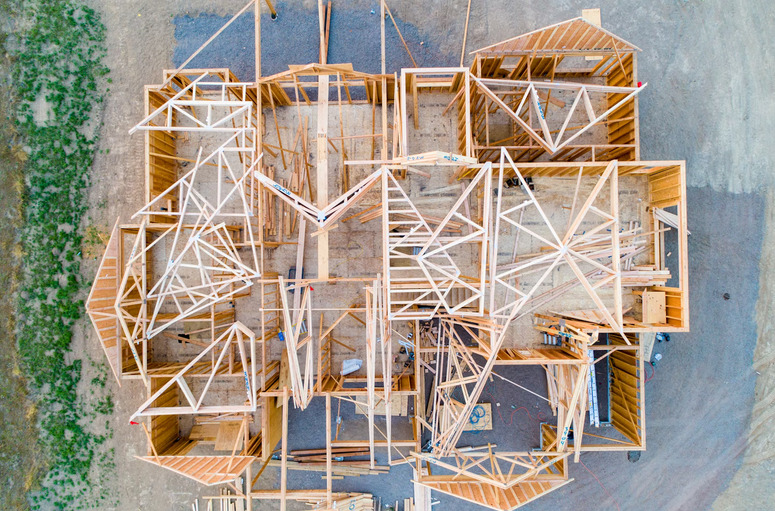
Building a home that reflects your style doesn’t have to come at the expense of the planet. As awareness grows about sustainable living, more homeowners are looking for eco-friendly building materials that don’t compromise on aesthetics. So, are you designing a new home or renovating your existing one?
According to the Hausbau Forum, 75% of the world’s natural resources are used in the construction and operation of buildings. This makes it essential to make a difference by incorporating eco-friendly building materials into your home design. These materials help reduce waste, conserve energy and water, and promote a healthier indoor environment. What are some of the best eco-friendly building materials that you can use? Here is the breakdown
Hempcrete
Made from the inner fibers of hemp plants mixed with lime, it offers impressive insulation properties while being lightweight. This eco-friendly alternative to traditional concrete allows for breathability in structures, preventing mold and moisture buildup. Its low carbon footprint is another appealing aspect; by using hemp, you’re supporting a crop that absorbs CO2 during its growth cycle.
Not only does Hempcrete boast energy efficiency, but it also leads to healthier indoor air quality. It’s naturally resistant to pests and fire, making it a safe choice for any home. Visually, Hempcrete can be finished in various ways to fit your design preferences—whether you prefer smooth textures or rustic finishes.
Recycled Steel
It’s all about durability, versatility, and incredible strength. Best of all, using recycled steel significantly reduces the demand for new materials. This eco-friendly option comes from reprocessing scrap metal. The result? A product that retains its quality while keeping waste out of landfills. Imagine building structures that are not only strong but also contribute to environmental preservation.
Architects love it for its modern aesthetic and adaptability. Whether you’re going for industrial chic or a sleek contemporary look, recycled steel fits right in. Its natural finish adds an edgy touch without compromising on style. Moreover, it plays well with other materials like glass and wood, creating stunning contrasts.
Bamboo

Its strength is impressive; bamboo has a tensile strength greater than steel. This quality allows it to be used in various applications, from flooring to structural support beams. Aesthetically, bamboo brings warmth and elegance to any design. Its natural grain patterns add visual interest without overwhelming other elements in your space.
Rammed Earth
Rammed earth is a fascinating building material that combines ancient techniques with modern flair. This sustainable option uses natural soil compressed into dense, strong walls. The result? A stylish and functional aesthetic. Imagine earthy tones and unique textures gracing your home’s interior.
Each rammed earth wall tells its own story through color variations and layering. This technique offers excellent thermal mass, keeping spaces cool in the deadliest summer and warm in freezing winter, minimizing energy costs. It breathes well, too, allowing moisture to regulate naturally.
Recycled Plastic Lumber
Made from post-consumer plastics, it offers an eco-friendly alternative to traditional wood products. This material resists rot, insects, and weather damage. That means your outdoor decks or furniture can easily last for years without needing maintenance or replacement. Available in various colors and textures, recycled plastic lumber allows you to maintain aesthetic appeal while embracing sustainability.
Furthermore, using this type of lumber helps divert waste from landfills. With every plank you choose, you’re contributing to a cleaner environment while enhancing your space’s style and functionality. From garden beds to commercial structures, its versatility makes it suitable for numerous applications.…
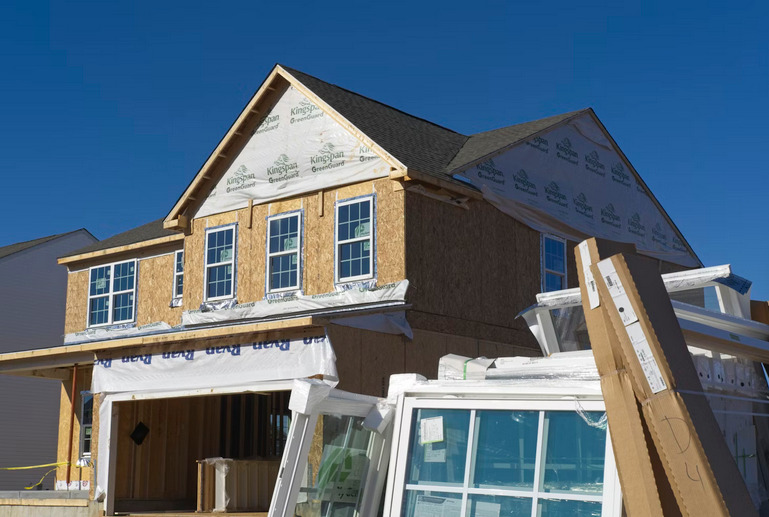


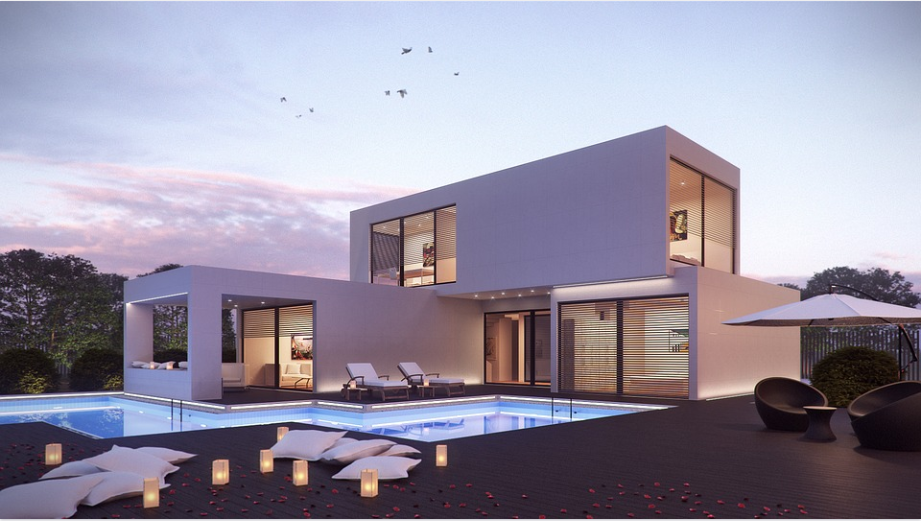

 The modular buildings can be easily disassembled and moved to different positions. It significantly reduces the need for raw materials, reduces energy consumption, and shortens cycle times. Since construction units can be used in different environments, their neutral aesthetics can be adapted to almost all buildings. Since the prefabricated design is carried out in a controlled production environment and follows defined criteria, the design subgroups are built to a uniform standard. Prefabricated structures are subject to different levels of qualification, as well as requests from independent contractors. In prefabrication, each sub-assembly is made with a qualified team in a climate-proof mill and with many quality controls throughout the process. Some building components are manufactured with precise mechanical equipment to ensure compliance with building regulations.