
Prefab Homes on Slopes and Difficult Terrain: Engineering Solutions

Hillsides and uneven plots often scare off homeowners and builders. Concerns about stability, higher costs, and complex site work keep many from even considering these locations. Prefabricated homes, however, are rewriting the rules. With modern engineering and smarter construction methods from UAMR, these houses can be placed securely on the ground that was once thought too difficult to manage.
Maximizing Precision That Prefabrication Delivers
One advantage of prefab homes is how they’re made. Factories build each section under controlled conditions, reducing errors that happen with on-site work. When the modules arrive at the property, they’re ready to be assembled with exactness. This precision is critical on irregular terrain, where even a small miscalculation could cause long-term issues. By preparing each piece to exact standards, builders can ensure the house fits seamlessly into its setting.
Ensuring Strong Foundations for Sloped Sites
The foundation is the most important factor when building on hills. Traditional flat lots allow for simple concrete slabs, but sloped terrain requires different strategies. Engineers often use deep pier foundations, which anchor the structure into stable soil below the surface. In some projects, stepped foundations follow the incline of the land. Retaining walls are sometimes added to support the slope and prevent erosion. These systems provide stability so that the home feels as solid as one on level ground.
Working on Designs That Work With Nature

Building on difficult terrain does not mean compromising on design. In fact, many prefab homes on slopes end up with more character. Elevated living spaces can offer sweeping views of valleys, forests, or coastlines. Split-level floor plans naturally follow the shape of the land, creating distinct zones within the home. Terraces and balconies often emerge as practical and stylish additions. Instead of fighting against the slope, the design flows with it, creating a truly unique living experience.
Protecting the Environment
Challenging terrain is often found in scenic locations, which makes environmental care essential. Prefabricated methods reduce the need for heavy machinery on-site since much of the building is completed off-site. This lowers disruption to plants, soil, and natural water pathways. Proper drainage systems and erosion controls further protect the land. For homeowners who value sustainability, prefab homes on slopes align with responsible living while still delivering comfort.
Managing Budgets and Timelines
A common belief is that sloped construction always leads to inflated costs. While there are site-specific expenses, prefabrication helps balance the equation. Because modules are built ahead of time, projects take less time to complete. Shorter timelines reduce labor costs and weather-related delays. Materials are used with the utmost care, avoiding excess waste. These factors make prefab homes on slopes more affordable than many assume.
Considering Safety and Lasting Durability

Hillside living requires long-term trust in the structure. Engineers use reinforcement techniques, anchoring systems, and carefully designed drainage to keep homes secure for decades. Regular maintenance, such as checking retaining walls or ensuring drainage systems remain clear, supports longevity. These steps allow families to enjoy hillside living without constant worry. The engineering behind these homes is not only about initial safety but also about ensuring long-term resilience.
Expanding Homeowners’ Options
Perhaps the biggest impact of prefab solutions is choice. Land that once seemed off-limits can now be considered for a dream home. Sloped lots that might have gone undeveloped become opportunities. This opens doors for families who want scenic views, quiet hillside living, or a house surrounded by natural beauty. Prefab construction transforms difficult sites into livable, inspiring spaces that prove location no longer limits possibility.
Building on slopes and rugged ground used to mean overwhelming challenges. Prefabricated homes, supported by modern engineering, show that it’s not only possible but practical. With secure foundations, environmentally sensitive methods, and creative design, these homes thrive in locations once ignored. Homeowners gain durability, comfort, and a one-of-a-kind connection to their surroundings. Prefab innovation makes it clear that even the steepest slope can hold the foundation for a lasting home.…














 This combo is not something you want to overlook or take lightly. First and foremost, a licensed contractor ensures that they have met all the necessary requirements set by the state and local authorities. It gives you peace of mind knowing your project will be 100% handled by professionals who are knowledgeable about building codes and regulations.


 The frequency of roof inspections depends on several factors, such as the age and condition of your roof, the climate in your area, and any recent severe weather events. Generally, it’s recommended to have a professional inspection done at least once a year. However, if your roof is older or has had previous issues, it may be beneficial to have more frequent inspections.


 Overhanging tree branches and dead trees are common causes of damage during storms. That is why it is best to hire tree removal services. It is known that
  Lastly, it is a good idea to inspect your
 Your home should be a place where you feel comfortable and relaxed. The design of your home should reflect your style and interests. If you like to relax on the weekends with a good book, then you should have a cozy reading nook in your home.
 Your home is like a personal advertisement to the world. It tells people who you are and what you’re interested in. If you have a lot of family photos on your walls, it means to people that you’re a family-oriented person.
 The answer to this question is “yes” in most parts of the United States. Municipal water treatment plants provide Americans with treated drinking water safe for human consumption. Chlorine and fluoride are added during processing, while natural minerals like calcium remain in your tap after it’s filtered through sand or charcoal filters. The EPA provides over 90 contaminants it deems as “regulated” and states the maximum limits for each contaminant in your drinking water. However, not all of these contaminants are harmful to human health. For example, nitrogen is a primary nutrient used by plants and algae that may end up in tap water at low concentrations (EPA).
 Water filters are used to improve the quality of your tap water by reducing contaminants. Using a filter also reduces lead, mercury, chlorine taste and odor, sediment, agricultural chemicals like nitrates or pesticides (NSF). There are many different filters on the market depending on what you need for your home, including carbon filters with KDF/GAC (granulated activated carbon), reverse osmosis, and ultraviolet light. If you are unsure which filter is best for your needs, consult a water specialist to help you make the right decision. Filters can be installed under your sink or on the countertop and should be replaced every six months to one year, depending on use.
 One of the most important factors lenders consider when setting your mortgage interest rate is your credit score. The better your credit score, the lower your interest rate will be. If you have a low credit score, you may not get a mortgage at all, or you could end up with a high-interest rate.
 There are many different types of mortgages available, and each one comes with its own set of interest rates. The most common type of mortgage is the fixed-rate mortgage, which means your rate of interest is constant for the entire length of your loan. If you want to afford the payments if interest rates go up, you may want to consider a fixed-rate mortgage.
 When buying a home, it’s a must to avoid looking for a home in a high-crime rate area. For example, if the house is in a place where many robberies or break-ins happen often, it might not be worth moving into. So, you need to check if the neighborhood is safe. You can also ask the locals about their opinion of the area you’re interested in. If there are police stations nearby, you can walk around and see if people look to be minding their own business or not.
 The roof is essential for a house as it can protect our house from any damage outside. So, when buying a home, you should be very careful about the condition of its roof. You can try to check whether it is in good condition or not. If you cannot do that, then there can be other things like gutters and downspouts that will help you figure out the roof’s status without going up on its top.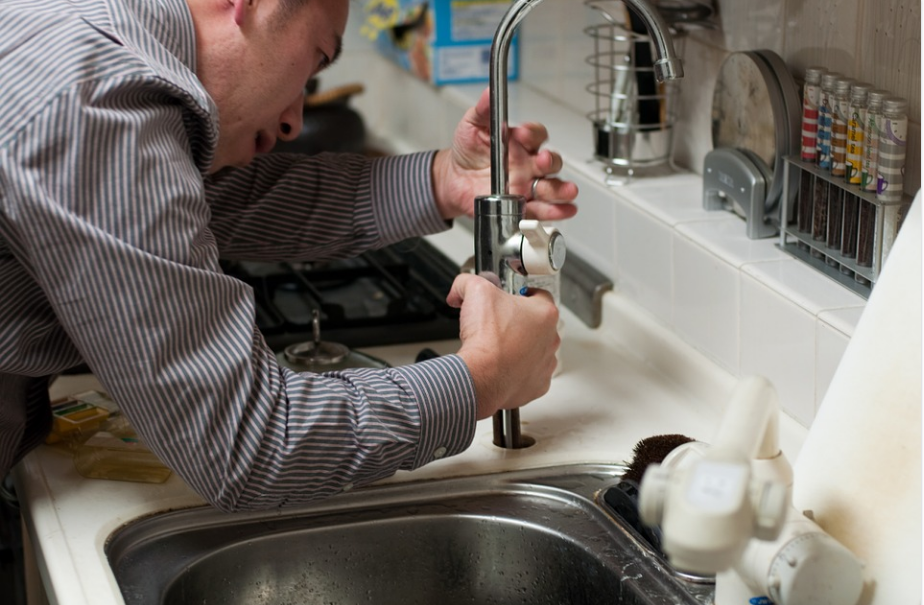


 Making numerous trips to the
  Employing a guy with a van to eliminate your waste might seem like a fantastic concept. Still, lawfully waste is the duty, so if this person decides to fly-tip your junk, you’ll be responsible for a massive fine. By picking a reputable skip hire business, you may be sure that your waste will be addressed professionally, and your standing and bank balance will stay intact. Your trash will be hauled to a processing plant at which it will be sorted, using up to 90 percent being recycled.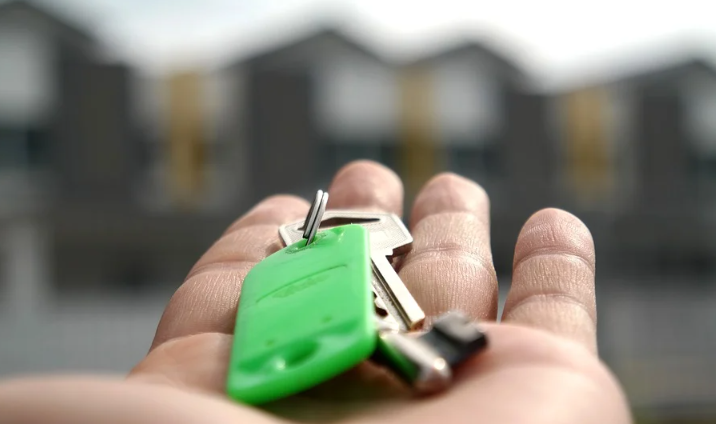




 The modular buildings can be easily disassembled and moved to different positions. It significantly reduces the need for raw materials, reduces energy consumption, and shortens cycle times. Since construction units can be used in different environments, their neutral aesthetics can be adapted to almost all buildings. Since the prefabricated design is carried out in a controlled production environment and follows defined criteria, the design subgroups are built to a uniform standard. Prefabricated structures are subject to different levels of qualification, as well as requests from independent contractors. In prefabrication, each sub-assembly is made with a qualified team in a climate-proof mill and with many quality controls throughout the process. Some building components are manufactured with precise mechanical equipment to ensure compliance with building regulations.

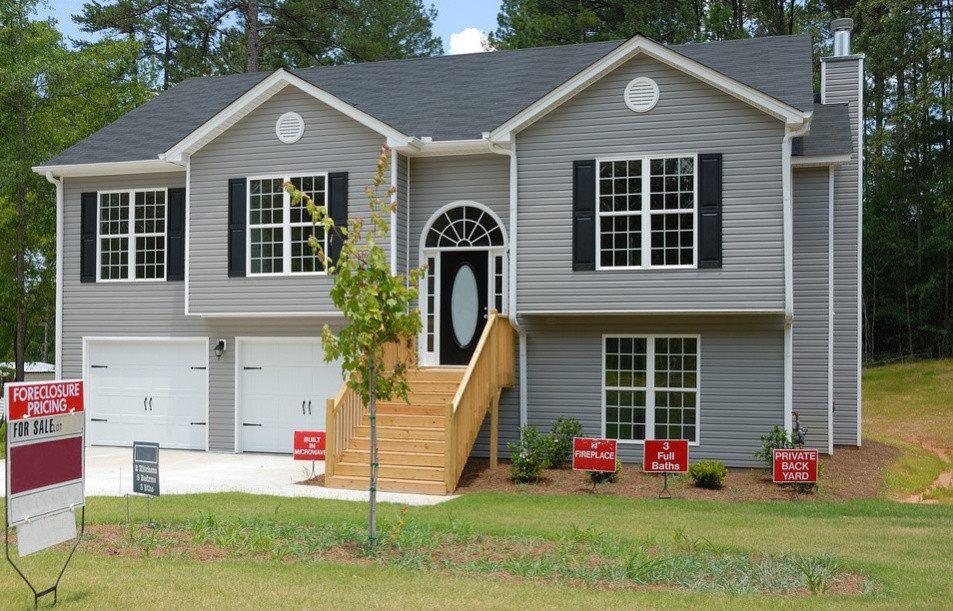
 You need to analyze the real estate market and learn the requirements before making your home available. Then, work on finding the right calculation on the home price and plan the best strategies to sell it. You can figure these things out by evaluating the offered houses that have been sold, and it is advisable to contact the seller to get a grasp of how to market your home.
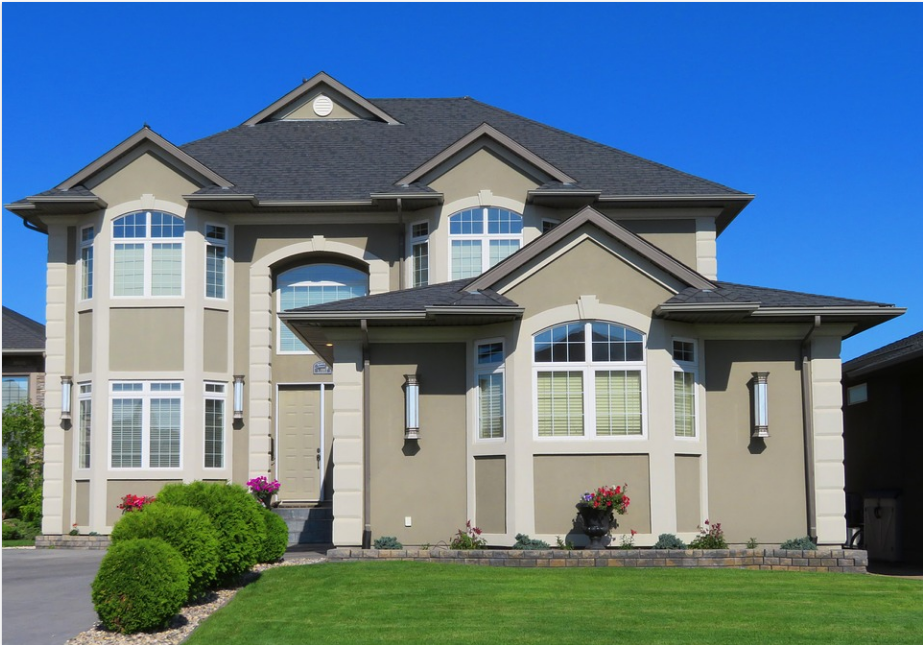

 Are there any weeds on your garden and untrimmed shrubs? You can add appeal to your house when you control your greenery. In case you’ve got a massive location, it would be best to be creative with your landscape. Before digging into the dirt, you must plan your landscape.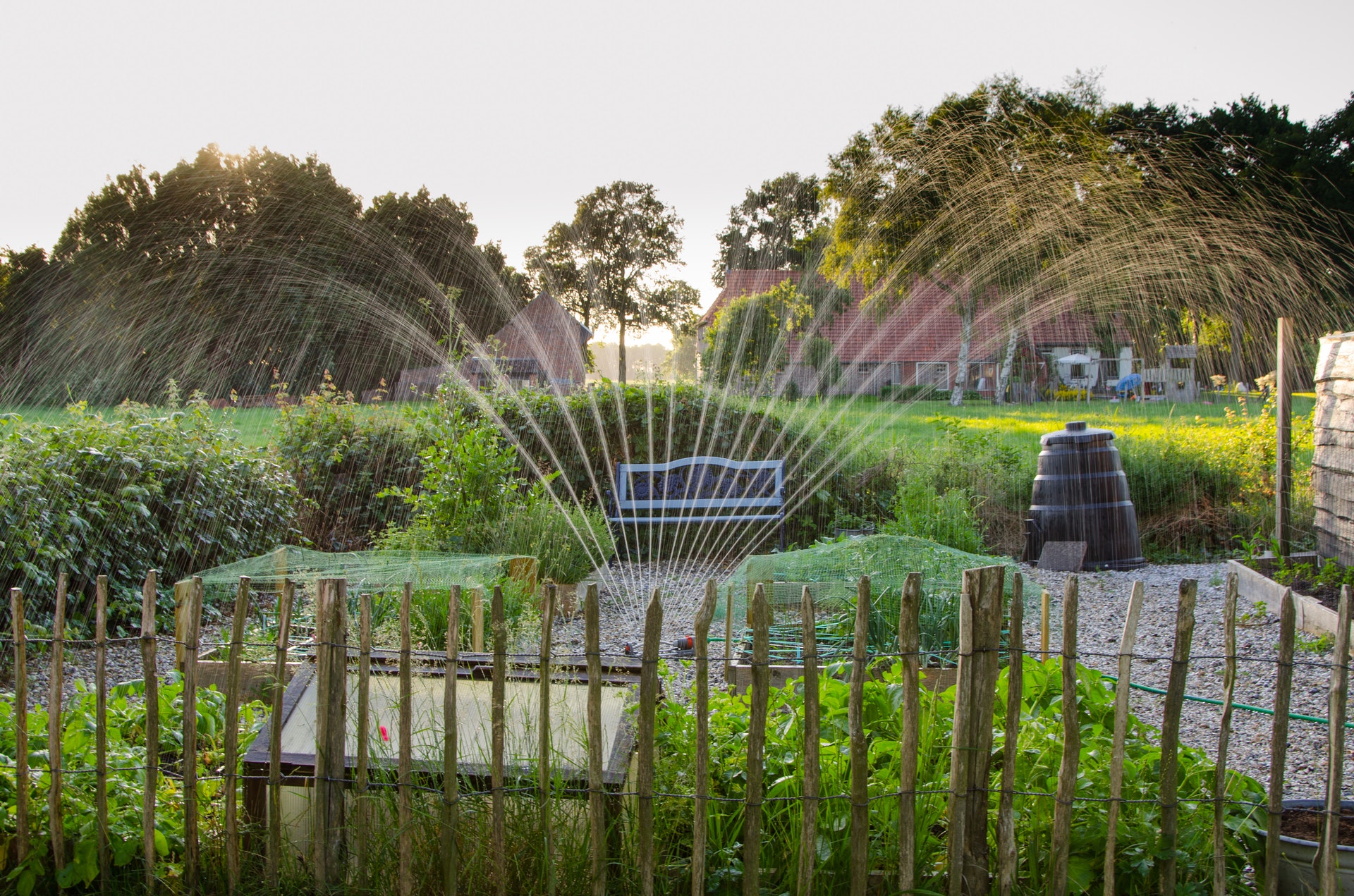

 You may want to examine neighboring regions to determine which plants are suitable for your area’s soil and climate. If you need to transplant several of the plants you have just bought, be careful not to transplant them too deep or too shallow to make room for the roots. Some plants are better suited to spinning. To find out more about which plants are ideal for your home garden, use the online search.