
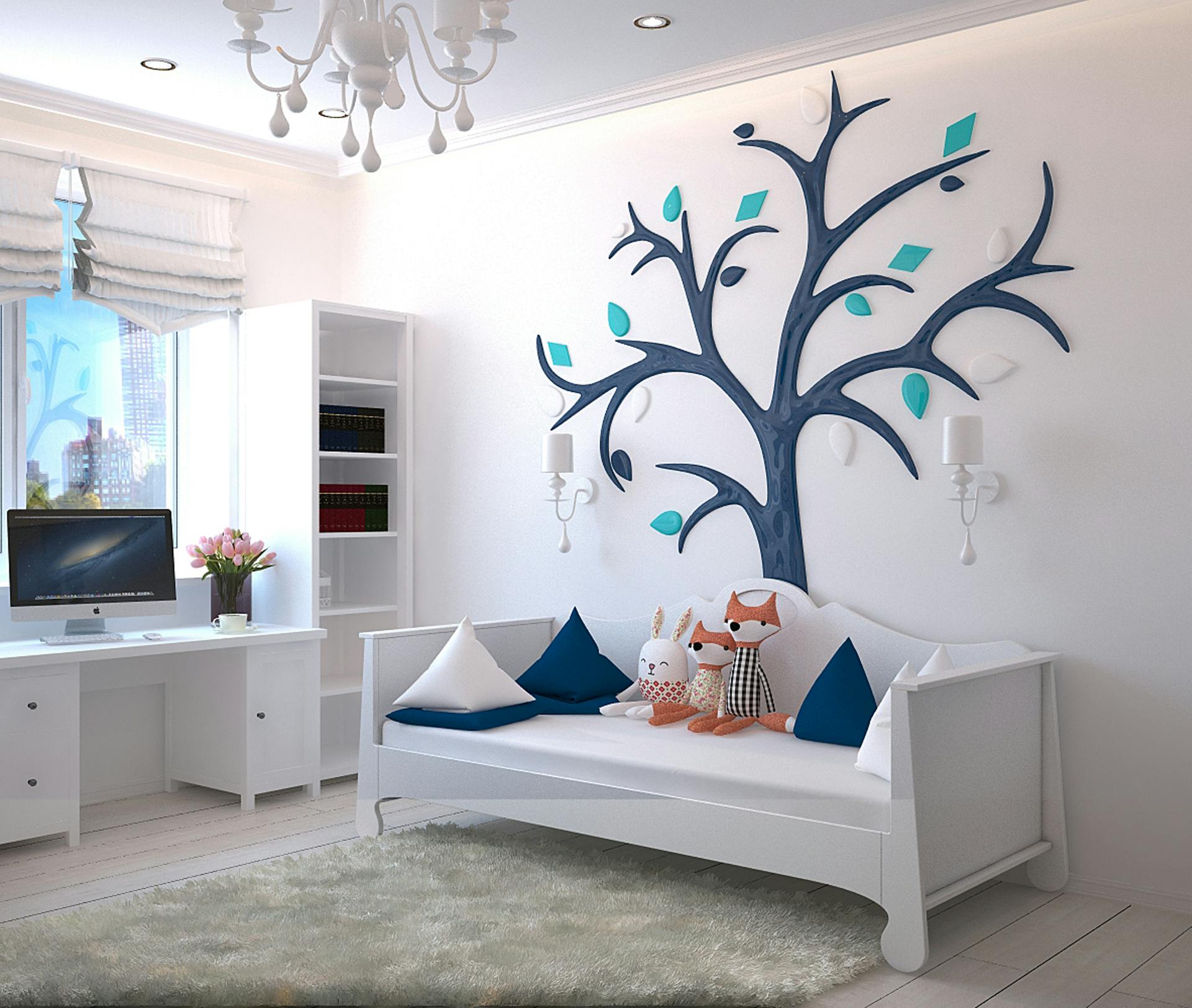
Designing a child’s room is about more than furniture and color schemes—it’s about creating an environment that nurtures imagination, comfort, and growth. Wall art plays a central role in shaping this atmosphere, transforming plain walls into canvases that inspire creativity and joy. From whimsical characters to nature-inspired designs, the right artwork can spark curiosity and reflect a child’s personality. Parents often explore playful options like this fun take on dinosaur-themed wall art to make the space both engaging and educational. Such choices not only brighten up a room but also provide children with visuals that encourage storytelling and learning. Wall art, when chosen thoughtfully, becomes more than decoration; it becomes a part of a child’s everyday experience, influencing mood, creativity, and even how they interact with their surroundings.
Creating a Personalized Environment
One of the most important aspects of a child’s room is ensuring it feels like their own special space. Wall art allows parents and children to add a personal touch that reflects personality and interests. Whether it is whimsical animal illustrations, colorful patterns, or inspiring quotes, the visuals chosen can make a room feel tailored to the child rather than just another bedroom. This sense of ownership often encourages children to enjoy their rooms more, making it a place where they want to play, relax, and even study as they grow.
Encouraging Creativity and Imagination

Children thrive in environments that stimulate their minds, and wall art can fuel imagination in subtle yet impactful ways. A mural of a jungle scene might inspire adventurous play, while space-themed art can spark curiosity about the universe. By surrounding children with visuals that tell stories or depict vibrant worlds, parents help create a setting that promotes imaginative thinking. Over time, this visual stimulation contributes to creativity that extends beyond playtime and into problem-solving and learning.
Setting the Mood with Colors and Themes
Wall art also serves as a powerful tool for shaping the mood of a child’s room. Bright, cheerful designs create a lively and playful atmosphere, while softer pastel illustrations may establish calm and comfort. The choice of colors and themes directly influences how a child feels in their space. For instance, a room decorated with nature-inspired art can foster a sense of peace and grounding, while energetic, bold artwork may keep the environment upbeat. These subtle cues affect how children interact with their surroundings and how they feel when spending time in their rooms.
Supporting Learning and Growth

Another benefit of incorporating wall art into children’s rooms is the opportunity to reinforce learning. Educational art, such as alphabet prints, world maps, or numbers, can encourage curiosity while adding charm to the décor. When placed in a playful context, these visuals become both decorative and informative, blending learning seamlessly into everyday life. Parents can adapt these elements as children grow older, transitioning from simple images to more detailed, age-appropriate pieces that continue to support intellectual development.
Building Lasting Memories
Wall art is not just about the present moment; it also contributes to memories that children carry into adulthood. The images on their walls may become part of their childhood stories, reminding them of comfort, joy, and inspiration. Choosing timeless pieces or even custom art allows parents to create a meaningful space that holds sentimental value. As children grow, these decorations can evolve alongside them, reflecting different stages of their lives and preserving cherished moments.
Wall art plays a central role in shaping how children experience their rooms. It goes beyond decoration, creating an environment that feels personal, imaginative, and nurturing. From inspiring creativity and setting the mood to supporting learning and building lasting memories, the visuals chosen for a child’s room have far-reaching effects. By giving thoughtful attention to wall art, parents not only design a beautiful space but also foster a room where children can thrive emotionally, creatively, and intellectually.